Exploring the Symbolism of Owls in Manga
Intro
Owls have soared through the pages of various manga, each time leaving behind a feather of symbolisme and mystery. Often seen as creatures of the night, they embody a mix of wisdom, mystique, and sometimes mischief. The presence of owls in manga goes beyond simple appearances; they dig deep into the core of the storytelling, acting as vessels for thematic exploration and character development. This article sets the stage for a comprehensive analysis on how owls contribute to the richness of manga narratives, embodying more than just their physical forms.
Series Overview
Synopsis and Premise
In manga series where owls are featured, stories often unfold in worlds layered with folklore and cultural significance. The owls typically represent the balance between knowledge and ignorance, highlighting the tension between enlightenment and the darkness that swirls around it. For instance, in titles like "Tokyo Ghoul," owls serve as a metaphor for the blurred lines between humanity and monstrosity. Here, the symbolism is crafted tightly within the narrative, showcasing how an owl's observant nature mirrors the protagonists’ struggles in understanding their own identities.
Notable Characters
Owls appear not only in their avian form but also as characters—sometimes in anthropomorphized roles. Take, for instance, from "Mushishi," where the owl preserves ancient knowledge, guiding the protagonist through spiritual journeys. Similarly, in "Kamisama Kiss," the character of the owl manifests the idea of guardianship, watching over the characters while offering wisdom, albeit in fragmented bits.
Themes and Motifs
Major Themes Explored
The depiction of owls in manga often revolves around themes such as:
- Wisdom vs. Ignorance: This juxtaposition is prevalent in many narratives, suggesting that knowledge comes with its own set of burdens.
- Transformation: The shapeshifting nature of owls reflects the evolution of characters throughout the series.
- Duality: Owls often symbolize dual aspects of existence—day and night, light and dark, or even chaos and order.
Symbolism in Storytelling
Owls are not simply characters; they embody larger philosophical questions. Their representation frequently correlates with the main themes—a way for authors to add depth without cumbersome exposition. They often act as catalysts for change in protagonists, guiding them through their internal and external turmoils. For instance, in "Natsume's Book of Friends," the owls remind the protagonist of the ephemeral nature of life, reinforcing the themes of friendship and loss.
Artistic Style and Animation
Visual Aesthetics and Design
Artists utilize unique styles to reflect the ethereal quality of owls. The plumage is often intricately detailed, resting against backgrounds that robustly illustrate the surroundings. Dark palettes may envelop scenes where owls play major roles, allowing their bright eyes to pop and draw focus. This careful visual crafting engages the viewer and encapsulates the thematic nuances of the owl's symbolism.
Animation Techniques and Trends
In anime adaptations of manga with owl characters, animation techniques evolve to depict these creatures’ motion fluidly. Frame rates may adjust during scenes featuring owls soaring, capturing both grace and power. Techniques like rotoscoping, or hand-drawn elements, enhance the overall aesthetic, making the portrayed owls feel more lifelike while echoing the enchanting worlds they inhabit.
Owls in manga are not just birds; they are representations of wisdom's burdens and mysterious guidance.
As we delve deeper into how owls have been employed narratively and artistically, the journey through a variety of acclaimed and lesser-known series allows for a rich exploration of this avian symbolism. Each feather ruffled brings us closer to understanding how these creatures enhance storytelling, creating connections that resonate with readers and viewers alike.
Foreword to Manga and Owls
Manga, a popular form of Japanese comic art, has a unique ability to blend rich storytelling with compelling visuals. Within this vast realm, the representation of owls stands out as a significant theme. Owls in manga are not just characters; they symbolize a range of deeper meanings and cultural narratives that resonate with readers. This article aims to peel back the layers of owl symbolism in manga to explore that intersection where mythology, artistic representation, and storytelling converge.
The importance of discussing owls in manga lies in understanding their role in shaping narratives and character development. These creatures embody so many things, from wisdom and knowledge to isolation and mystery. By diving into the cultural significance of these birds in Japan and their symbolic representation in literature, we illuminate how owls contribute to the storytelling fabric of manga.
In the upcoming sections, we will analyze various aspects of owl representation, demonstrating that far from being just a popular trope, these beings are integral to character arcs, cultural reflections, and artistic expression. Readers can expect to gain insights into how owls enrich the manga narrative, appeal to audiences globally, and reflect the intricate relationship between culture and art, especially in the context of Japanese traditions.
"The representation of owls in manga is intricate; they are not merely included for aesthetics, but act as pivotal elements that enhance narrative depth."
The exploration ahead will touch on the cultural significance of owls in Japan and examine their roles as symbols in literature, offering a comprehensive guide that engages manga enthusiasts and invites them to appreciate layers of meaning often glossed over at first glance.
Owl Characters in Popular Manga Series
In the colorful and intricate world of manga, characters often resemble a microcosm of real-life themes, ideals, and cultural nuances. Among these portrayals, owls hold a special place, symbolizing wisdom while also embodying elements of mystery and solitude. The inclusion of owl characters in popular manga series serves not just as a storytelling component; rather, it reveals deeper societal reflections and explorations of human emotions. This section delves into the role of owl characters in manga, examining their narrative importance, characteristics, and the cultural implications that come with them.
Analysis of Owl Tribes in Fantasy Manga
Fantasy manga, by its nature, allows for unexplored terrains where the concept of tribes becomes not only feasible but also captivating. Each tribe can symbolize various themes, often drawing on cultural and mythical representations of owls. For example, the owl tribes in series like "Fable of the Owl" or "Nightwing Chronicles" present complex societies with their own customs, beliefs, and conflicts. These tribes often emerge as guardians of knowledge, tasked with maintaining the balance between light and dark within their realms.
Key elements to consider:
- Social Structures: How are owl tribes structured? Are they hierarchical, or do they function more democratically?
- Cultural Practices: Rituals involving wisdom and transformation tht echo the real-world significance of owls in various cultures.
- Conflict and Resolution: How do these tribes interact with humans or other creatures? Conflicts often highlight moral or ethical dilemmas, allowing readers to engage with larger philosophical questions.
In these tales, the owl archetype often plays the role of a mentor or a sage. Their wisdom is not just knowledge but rather a lived experience that impacts the young protagonists. This dynamic helps to illustrate the cherished idea of wisdom passed down through generations. The narratives prompt readers to reflect on their own journeys of growth and understanding.
Owl-Inspired Characters in Shonen Manga
Shonen manga is often associated with action, adventure, and coming-of-age themes. Nevertheless, the presence of owl-inspired characters adds an unexpected layer to these stories. These characters embody a unique blend of strength coupled with wisdom, crafting a persona that resonates deeply with the target audience.
Common traits of owl-inspired characters may include:
- Strategic Thinking: Unlike their more impulsive counterparts, these characters think several steps ahead, portraying the intellectual side that owls symbolize.
- Guardianship: They often serve as protectors of other characters, much like owls are seen as guardians in mythology. This can lead to significant character development arcs, where the weight of responsibility fosters growth.
- Mystical Abilities: Frequently, these characters possess magical powers or heightened sensory abilities, enhancing their role in the narrative and creating a sense of intrigue.
An example of this can be found in "Owl's Hideout", where the main character takes on traits from owls – both in mannerisms and abilities. The integration of these traits makes these characters multidimensional, serving not just as fighters but as thoughtful guides in the turbulent landscape of Shonen manga.
Thematic Exploration of Owls
The thematic exploration of owls serves as a vital thread throughout the fabric of manga, connecting cultural meanings to narrative depth. Owls embody complex symbolism, and their presence enriches storytelling by providing layers of interpretation that resonate with readers. This section aims to dissect the dichotomy present in owl representations, revealing not just their wisdom but also their isolation and mystery. Understanding these themes helps appreciate the nuances of how different owls are portrayed in various manga genres.
Wisdom and Knowledge: The Archetype of the Owl
Contrasting the Owl with Other Symbolic Animals
The contrast between owls and other representative creatures, like the fox or the lion, emphasizes their unique role in storytelling. Owls symbolize wisdom, a characteristic attributed across cultures, yet their nocturnal nature positions them differently than those depicted as day creatures. While lions might represent courage or dominance, owls bring a sense of calm intelligence, often appearing in narratives where knowledge is paramount. This thematic distinction helps illustrate moral and ethical dilemmas faced by characters. Thus, the owl stands out as a favored choice in stories where the implications of choice and wisdom converge.
- Key Characteristics: Where lions are commanding, owls are contemplative. This contrast offers a chance to reveal characters' introspection, serving as a catalyst for breakthroughs in trials they face.
- Example: In Naruto, the character of Shikamaru Nara embodies the owl's representation of strategy and reasoning, offering a blend of cleverness while acting quieter and more pensive than his peers.
With its night vision, the owl also signifies seeing beyond the obvious; hence, its choice in narratives aligns closely with themes requiring deeper analysis and societal critiques.
Case Studies of Owl Characters
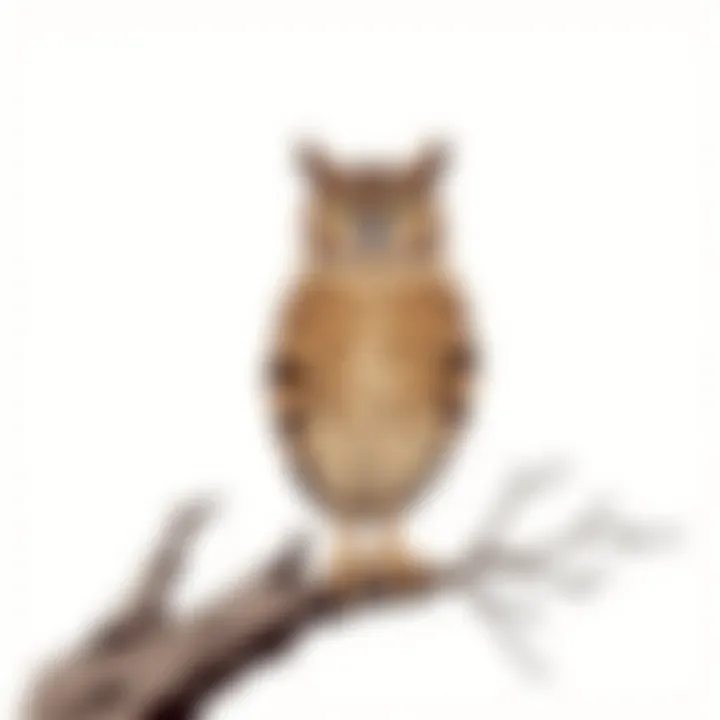
Casting light on specific owl characters in manga serves as an illustration of this thematic exploration. Characters like Fukurou from Kamisama Kiss or Gami from Yona of the Dawn highlight the wisdom motif—a reminder that insightful characters can often guide protagonists in their journeys. Fukurou, for instance, is not just a companion; he embodies the wisdom one must have when navigating the treacherous landscapes of both politics and personal relationships.
- Key Characteristics: The owl often plays the role of the mentor or sage, providing critical advice that propels other characters forward.
- Example: In Attack on Titan, the recurrence of owl-like attributes in certain characters such as the intelligent strategist, shows how well the motif works for sparking intrigue around wisdom and foresight.
Thus, focusing on these case studies reveals an enduring appeal of owls within manga—symbolizing not just knowledge but also the weight of the choices that come with it. By outlining characters with owl traits, it becomes evident how crucial their role is in the larger narrative.
Isolation and Mystery: The Darker Aspects of Owl Representation
Comparisons with Other Mysterious Creatures
Owls, in their connection to the shadowy elements of their environment, evoke themes of secrecy and isolation. When compared to mysterious creatures like the wolf or the supernatural kitsune, owls symbolize an alternative kind of enigma. While wolves often evoke a sense of pack mentality or community, owls can often be solitary or seen as distant; this characteristic adds a layer of foreboding to their presence within narratives.
- Unique Feature: The night-time activities and stillness of owls contribute to their air of mystery. Their ability to effortlessly blend into the night evokes an atmosphere of suspense, enhancing stories that foreground human fears and hidden truths.
- Example: Characters inspired by owls are often revealed as possessing hidden depths or hidden agendas, contrasting the often overt nature of other creatures.
Narrative Functions in Character Arcs
Delving into the narrative functions of owl-inspired characters exposes another layer of storytelling. Many protagonists journey through conflicts that reflect their inner isolation or wisdom. The presence of owl characters often serves as a mirror to these struggles, displaying how wisdom can coexist with solitude.
- Key Characteristic: The shared solitude that often encapsulates owl-themed characters adds connective tissue to protagonists’ development, allowing readers to empathize with their journeys.
- Example: In My Hero Academia, Hoot—a lesser-known character—embodies this, showcasing a temporary withdrawal that corresponds with periods of heights and lows within the main character’s arc.
Recognizing how these overlaps work informs our understanding of owls as not just symbols but also as narrative devices serving critical roles in the progression of themes.
"Owls, with their rich tapestry of characteristics, paint an evocative picture that transcends mere presence; they're narrative conduits that guide, confuse, and enlighten characters all at once."
With this deep dive into the thematic exploration of owls, it’s clear they are not just winged creatures, but potent symbols in the manga landscape, propelling stories in dynamic and thought-provoking ways.
Artistic Techniques in Portraying Owls
The representation of owls in manga encompasses a broad spectrum of artistic techniques that profoundly shape how these creatures are perceived in narratives. The importance of this topic lies in the understanding of how visual expression can amplify the symbolic meanings associated with owls. Artists leverage various approaches—from meticulously realistic renditions to whimsical, surreal interpretations—to create a unique atmosphere surrounding their owl characters. Understanding these techniques helps readers appreciate the depth of storytelling in manga, showcasing how art and narrative coalesce in a single frame.
Visual Styles: From Realism to Surrealism
When exploring the visual styles utilized in portraying owls, it becomes evident that the choices made by artists significantly run the gamut of realism to surrealism. Realistic depictions of owls often aim to capture the intricate details of their feathers, the piercing nature of their stare, and the subtleties of their behavior. This attention to detail can evoke a sense of authenticity, drawing readers closer to the narrative by creating a tangible connection with the creatures.
Conversely, surreal portrayals often push the boundaries of what one might expect from an owl. These portrayals can involve exaggerated features, whimsical scenarios, or abstract representations that challenge conventional aesthetics. Such choices can reflect the inner thoughts of characters or symbolize broader themes within the story. For instance, in a manga where an owl serves as a guide to the protagonist, a surreal depiction might emphasize the owl's otherworldliness—a visual cue that suggests the presence of hidden wisdom or the passage into another realm.
So, whether depicting an owl perched quietly in the moonlight or a fantastical creature soaring through dream-like landscapes, the art style chosen can deeply influence how readers interpret the owl's role in the larger narrative.
Color Palettes: The Mood Behind the Color
In the world of manga, color plays a pivotal role in establishing mood and atmosphere. The color palettes chosen for owl characters are not mere stylistic choices; they are conduits of emotion and intention that shape the viewer's perception. For instance, muted and earthy tones may be employed to convey a sense of wisdom and calm, aligning the character's visual identity with traditional symbolic meanings of owls. This can resonate with audiences who associate these colors with nature, solitude, and introspection.
On the flip side, vibrant and fantastical colors can evoke a more whimsical or even eerie feeling. Bright greens and blues might underline a playful character, while stark blacks and whites can suggest mystery or foreboding. The emotional impact of color is such that it can guide the viewer’s feelings from one panel to the next, turning a simple illustration into an evocative narrative moment.
“Color can speak louder than words in manga; it’s the silent storyteller guiding your emotions.”
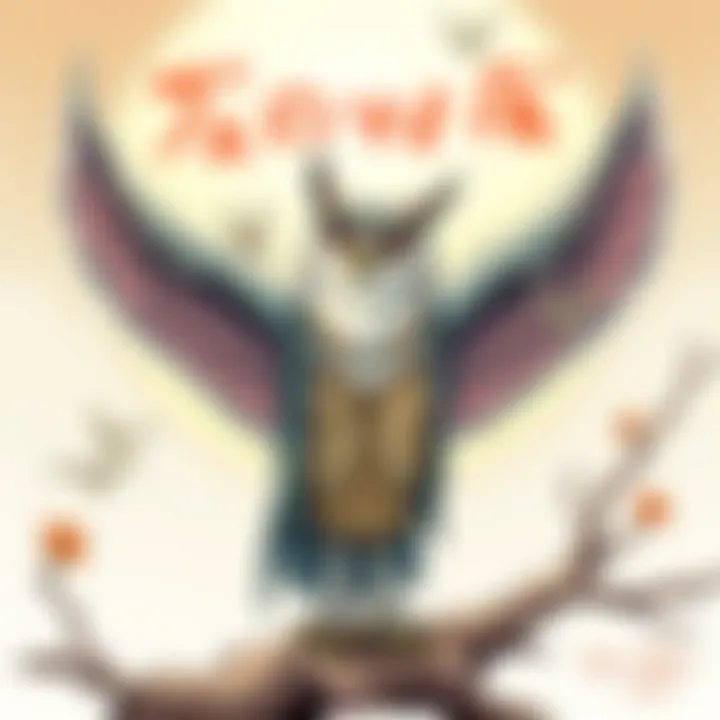
As a result, the interplay of color and visual style in representing owls in manga is a deliberate effort by artists to convey complex narrative dimensions and cultural resonances, enriching the reader's experience beyond the written text. Recognizing these artistic techniques enables audiences to engage more profoundly with the stories being told and to appreciate the intricate interplay between visual art and narrative depth in manga.
Cultural Exchanges: Owls Outside of Japan
The exploration of owls in manga reaches beyond the borders of Japan, weaving itself into various cultures and narratives around the globe. This cultural exchange not only enriches the textual tapestry of manga but also reflects the varying perceptions and mythologies that different societies hold regarding these nocturnal creatures. The significance of this topic becomes evident when considering how these exchanges revive ancient myths and contemporary narratives alike, cultivating a fertile ground for storytelling and artistic representation. When looking at owls across different cultures, it’s clear that their meanings may shift, illustrating adaptability and resonance in diverse contexts.
Global Representation of Owls in Comics
Comparative Analysis with Western Comics
When we talk about the comparative analysis of owls in Western comics, the attributes of these representations reveal much about cultural attitudes. In the West, owls often symbolize wisdom, but often they are cast in more whimsical or lighthearted roles, contrasting with their portrayal in Japanese manga, where they might take on a more serious or mystical essence.
For example, consider the character Archimedes from Disney's "The Sword in the Stone". Here, his quirky personality and advice showcase wisdom in a charming light. On the other hand, the owl characters found in manga, such as Fukurou from "Kamisama Kiss", carry deeper, more philosophical connotations, evoking themes of fate and guidance.
This distinction is essential to understanding the broader cultural implications of owl representations. The approach of Western comics, favoring a lighter tone, might resonate more with audiences clinging to nostalgia or seeking humor. Conversely, the seriousness with which Japanese manga depict owls can offer insights into the character’s roles within larger, more complex stories.
"Owls tell us what we already know, yet through their mysterious ways, they also speak of things we have yet to discover."
Influence of Japanese Manga on Global Audiences
The influence of Japanese manga on global audiences in terms of owl representations is undeniable. The unique presentation of these creatures has inspired various adaptations and portrayals across different mediums, skyrocketing owl characters to international recognition. For instance, characters like No Face from "Spirited Away" bear semblance to the enigmatic traits associated with owls in how they embody both allure and threat.
The hallmark of Japanese manga is its willingness to delve into psychological depth and existential musings. This characteristically nuanced portrayal attracts readers worldwide, bridging cultural divides. The delicate and often thoughtful treatment of owls in manga resonates with audiences, reflecting their own complexities in life through these avian symbols.
Ultimately, the advantage here lies in the ability of manga to blend hearts and minds, investing the owl character with varying degrees of realism and mythos. This fusion opens pathways for readers to reconsider the implications of owls in their own cultural landscapes, making them a global motif that sparks conversations in diverse contexts.
The Owl in Cross-Cultural Mythology
The representation of owls in cross-cultural mythology is a reflection of the human fascination with these birds that has prevailed over centuries. From ancient Babylon, where owls were seen as omens, to Native American folklore, portraying them as custodians of wisdom and guides in the spiritual realm, owls frequently embody dualities. Their simultaneous portrayal as harbingers of bad luck and symbols of protection illustrates a complex relationship.
In several African cultures, for instance, owls are associated with the supernatural, often deemed messengers between the living and the realm of the spirits. Reflecting on these various interpretations offers valuable insights into how a single symbol can convey a multitude of meanings, shaping narratives that resonate on both personal and societal levels. Each culture's portrayal adds unique layers to the understanding of owls, inviting readers to reflect on their meanings in their societal contexts.
By understanding cultural exchanges, we engage with a broad network of stories that reveal both the universal and the particular, cultivating a dialogue that transcends any single narrative framework.
Finale: The Enduring Appeal of Owls in Manga
The symbolic presence of owls in manga is a rich tapestry that weaves together cultural resonance, narrative depth, and artistic innovation. As we have seen throughout this exploration, owls are not merely characters; they are representations of complex themes such as wisdom, mystery, and the duality of light and dark. Their versatility enables creators to tap into a variety of genres, making owls relatable to audiences across different demographics.
Reflections on the Symbolic Role of Owls
Owls symbolize more than just sage advice and insight. In many Japanese traditions, they are considered omens of good fortune, while in others, they evoke the kind of lurking uncertainty that enriches storytelling. This duality creates a tension that is ripe for exploration, not just in thematic arcs but also in character development. For instance, the owl may serve as a mentor figure in one narrative and transform into a harbinger of doom in another.
By contrasting the owl with other symbolic animals, one can see how these depictions reveal cultural values and narratives. While tigers and lions are often associated with strength and bravery, owls offer a different approach: one that emphasizes thoughtfulness and observation over brute force. This contrast enhances plotlines and gives readers options to relate to characters on multiple levels.
Future of Owl Representations in Manga
The future of owl representations looks promising as new artists continue to push creative boundaries. With innovations in storytelling and a growing global readership, owls may evolve to reflect contemporary societal issues. For example, themes around environmental conservation can reshape how owls are portrayed, helping to educate audiences about real-world implications tied to these creatures.
Moreover, the fusion of traditional manga styles with modern artistic techniques can lead to fresh interpretations. Digital art, interactive storytelling, and collaboration between genres can take these symbols further, allowing them to resonate with younger generations. As international influences merge, it’s likely that owls will become a bridge between cultures, sharing wisdom and mystery across the globe.
"Owls in manga serve as a mirror reflecting our own understanding of the balance between knowledge and uncertainty."
For those interested in delving deeper into the cultural significance and representations of owls, you can find additional insights on platforms like Britannica, Wikipedia, and discussions on Reddit under the anime and manga communities.